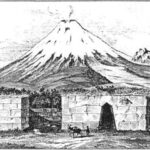
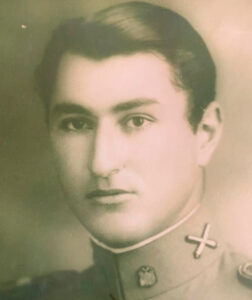
In 1921 the Hacienda was purchased by General Leonidas Plaza Gutierrez, leader of the liberal Revolution. Plaza went on to become President of Ecuador in 1901 and again in 1912, a position which was to be held by his son Galo Plaza Lasso in 1948. The Hacienda has remained in the family to this day and is currently owned by the General’s granddaughter, Mignon Plaza, whose father, the distinguished congressman and legendary amateur bullfighter, Jose María Plaza Lasso, played a pivotal role in politics throughout his life.
History

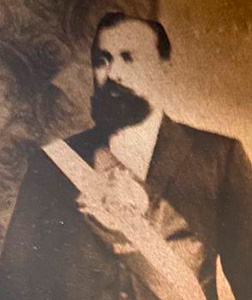
Leonidas Plaza Gutiérrez
Mignon Plaza
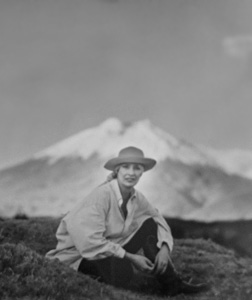
Galo Plaza Lasso
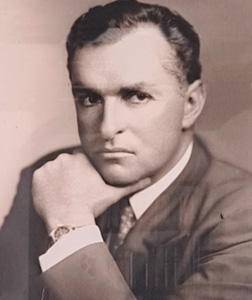
José María Plaza Lasso
Archaeology
The varied and influential inhabitants of San Agustin de Callo have contributed to the unique blend of architecture which creates the individual character of the house. In the main courtyard, it is possible to see three distinct styles, Inca (Imperial style – 15th century, construction style which the Incas used for their temples and palaces), Spanish Colonial (18th century), and Republican (19th century). San Agustin de Callo constitutes the only lived-in museum of Inca Imperial and Spanish Colonial style.
Historical Documents
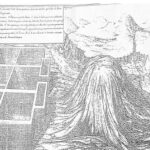
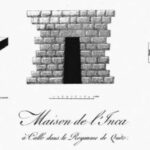
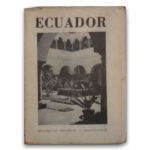
Ecuador: Historical and archaeological monuments
Original text (spanish): Fray José María Vargas